
Open a Non-Resident Bank Account with Expert Guidance
The Banking Landscape Has Shifted
The days of walking into a Swiss branch with a passport and cash are gone. In fact, regulators now scrutinize every detail, while banks enforce stringent know-your-customer (KYC) protocols. As a result, the barrier to entry has risen significantly.
However, this rigorous private banking compliance for non-resident accounts creates a unique opportunity. Specifically, it ensures that when you do successfully open an account, you are accessing institutions committed to operational excellence and compliance integrity.
Select Your Ideal Jurisdiction
Your choice of jurisdiction determines your financial future. Therefore, we align your goals with the right regulatory framework.
How We Get You Approved (When Others Get Rejected)
Most applicants fail because they cannot translate their “source of funds” into the format banks demand. To prevent this, we guide you through a proven four-phase methodology.
Strategic Assessment
Expert review of your profile to identify the path of least resistance based on residency, citizenship, and global business objectives.
Documentation Strategy
Precise evidence sequencing and narrative building to satisfy Source of Wealth (SoW) and Source of Funds (SoF) requirements.
Targeted Introduction
Professional introduction to specific compliance departments where your business profile matches their current risk appetite.
Compliance Management
Proactive handling of bank follow-up queries and final compliance reporting to ensure account activation.
Detailed Comparison: Choosing the Right Jurisdiction
| Feature | Switzerland | Singapore | Liechtenstein | Monaco |
| Primary Benefit | Capital Stability | Asia Exposure | Confidentiality | Exclusivity |
| Min. Deposit | ~$500k | ~$2M | ~$500k | ~$3M |
| Best For | Wealth Preservation | Business Expansion | Asset Protection | Premium Private Banking |
Security and Asset Protection
“Is my money safe if the bank fails?” Yes. For instance, in jurisdictions like Switzerland and Liechtenstein, your investment securities are classified as segregated assets (Sondervermögen). Crucially, they do not belong to the bank and cannot be seized to pay the bank’s debts. If the bank fails, your portfolio is transferred to another custodian entirely intact. In addition, Monaco protects cash deposits up to €100,000 per depositor under EU standards.
“Is this for tax evasion?” Absolutely not. The secrecy era ended in 2017 with the Common Reporting Standard (CRS). Since Monaco, Switzerland, and Singapore all participate in CRS, information is exchanged automatically. Therefore, we use non-resident banking for legitimate strategic purposes: asset protection, currency diversification, and investment access.
Frequently Asked Questions: Navigating Non-Resident Banking
You have questions about compliance, logistics, and privacy. We have the answers.
Secure Your Financial Future Today
Regulatory requirements are growing more sophisticated, and capital controls are tightening. Thus, the time to establish a properly structured non-resident banking relationship is before you need it, not after.
Ready to move forward?
(Confidential. No obligation. Strategic guidance tailored to your profile.)
Related publications
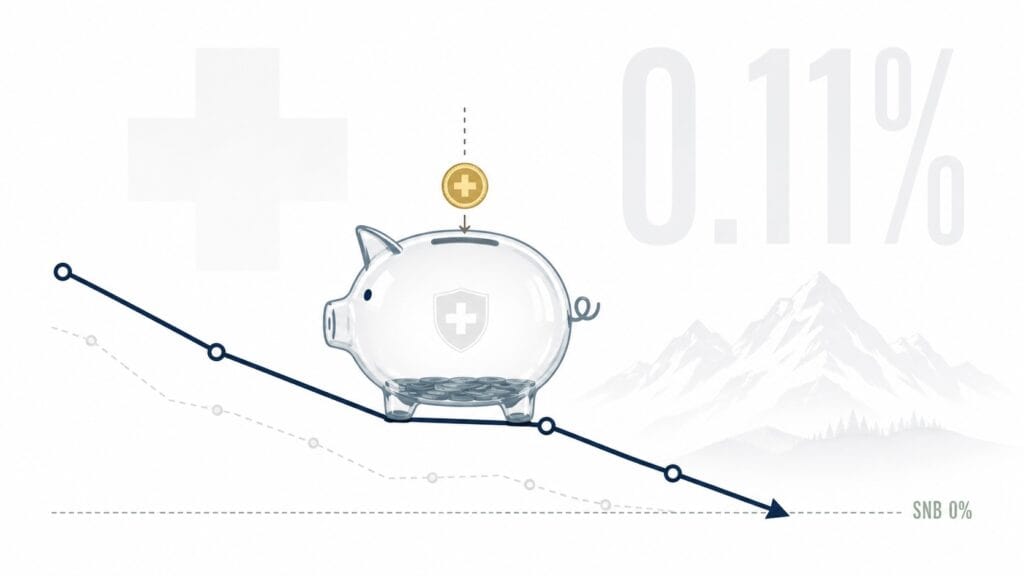
Swiss Savings Account Interest Rates in 2026: The Real Numbers
Swiss savings account interest rates in 2026 tell a simple, sobering story: they are close…
Swiss Bank Selection for Non-Residents: How I Actually Choose
I am very often asked the same question by non-resident HNWI clients: how do I…
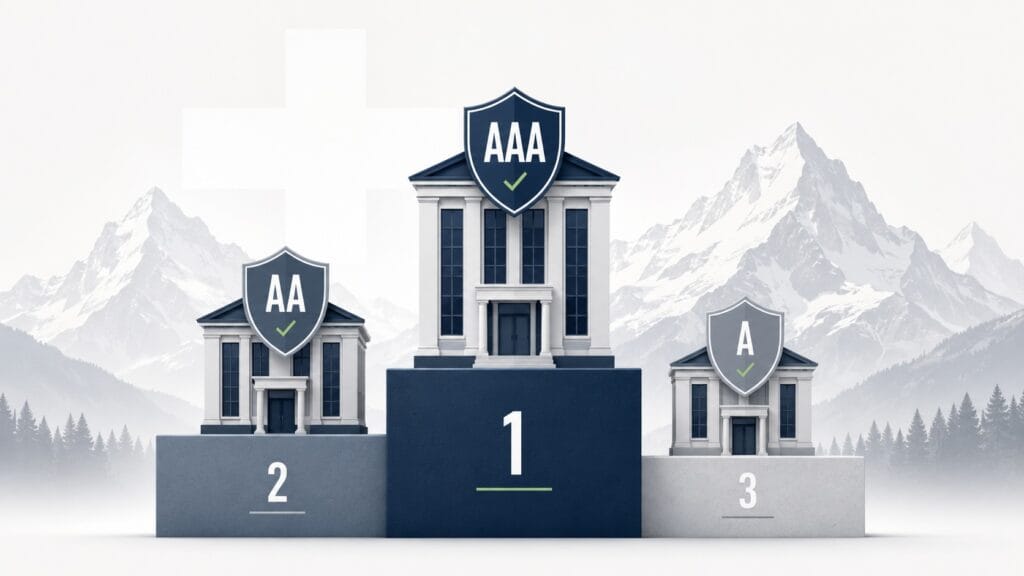
The Safest Swiss Banks in 2026: Credit Ratings Ranked
Looking for the safest Swiss banks? Here is the short answer. The single safest bank…

How to Open a Swiss Bank Account as a Foreigner: The Honest 2026 Expert Guide
Opening a Swiss bank account as a foreigner is still possible in 2026 — but…

Swiss Bank Account for UK Residents with Offshore Income 2026
The most common call I receive from UK clients goes something like this: “I have…

How to Open a Swiss Bank Account from the UK (2026 Guide)
Opening a Swiss bank account from the UK is not the same exercise as it…